
A service upgrade is not something anyone wants to buy. It adds no fixtures, changes nothing you can see from the living room, and the permit and utility coordination make it one of the longer jobs on a residential calendar. So the honest question is not whether 100 amps is old — it is whether your 100 amps is actually full.
What a service size really means
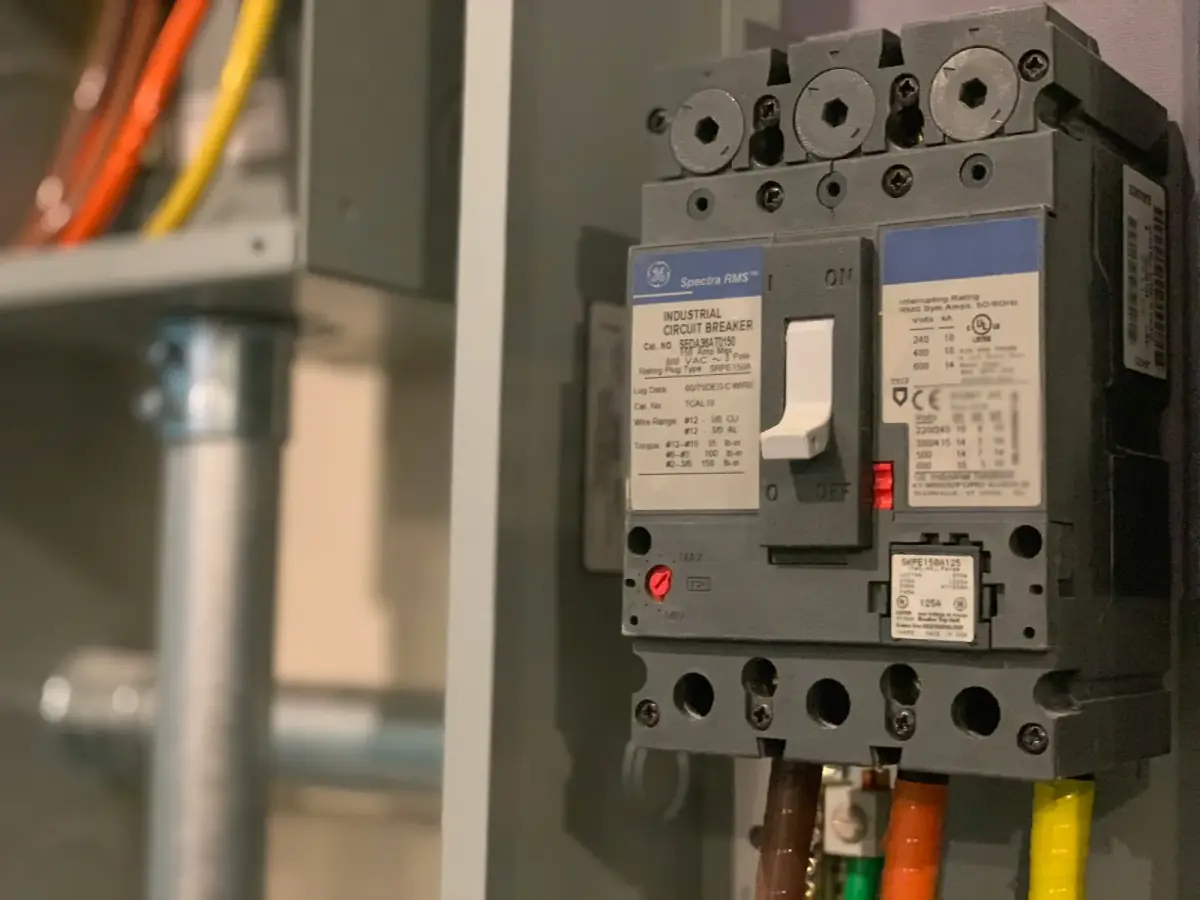
The number on the main breaker is the ceiling on what the house can draw at one moment. It is not a budget you spend permanently. Nothing is consumed by having circuits; the ceiling only matters when enough of them pull at the same time.
That is why a house with forty breakers can sit comfortably on 100 amps for decades, and why adding a single 50-amp circuit can be the thing that ends it. Two houses with identical panels can have completely different answers, because the answer is about load, not about hardware.
It is also why “my panel is full” and “my service is full” are different sentences. A panel with no slots left but plenty of amps in reserve can often take a sub-panel, which is a fraction of the cost of a service upgrade. A panel with empty slots and no headroom cannot use them. Which situation you are in is a calculation, not a look.
The calculation, in plain terms
The method comes out of Article 220 of the National Electrical Code, and an electrician can run it in under an hour with your plans and your appliance list. In outline:
- General lighting and receptacle load — 3 volt-amps per square foot of living space. A 2,000 sq ft house starts at 6,000 VA before a single appliance.
- Two small-appliance circuits and one laundry circuit — 1,500 VA each, required whether you use them or not.
- Fixed appliances at their nameplate ratings: water heater, dishwasher, disposal, range, dryer, hot tub, well pump.
- Demand factors applied. This is the part that saves you. The code accepts that nobody runs the oven, the dryer, the water heater and the heat pump in the same minute, so the first 10,000 VA counts at 100% and everything above it at 40%.
- Heating or cooling, whichever is larger — added at 100%, and never both, because you are not running the furnace and the air conditioning together.
- Divide by 240 to get amps, and compare it to the main breaker.
The standard method is the conservative one. There is also an optional method for existing dwellings, and for a house with a year of utility data behind it, a calculation based on the actual measured peak. That last one is worth asking about specifically: it is the difference between a service upgrade and no service upgrade on more borderline houses than you would expect.
Worth knowing: a load calculation costs an hour and a site visit. It is worth having before you buy the appliance, not after it is sitting in the garage.
The three loads that change the answer
Three upgrades are behind almost every calculation that fails in this metro:
- A heat pump replacing a gas furnace. The old furnace drew a couple of amps for a blower. The heat pump is a compressor with a locked-rotor inrush, and in most installs there is a strip heater behind it for the coldest mornings. It is frequently the single largest load in the house, and because it is heating, it goes into the calculation at 100%.
- An induction range replacing a gas range. A 40- or 50-amp 240V circuit, where there used to be a gas line and a 15-amp receptacle for the igniter.
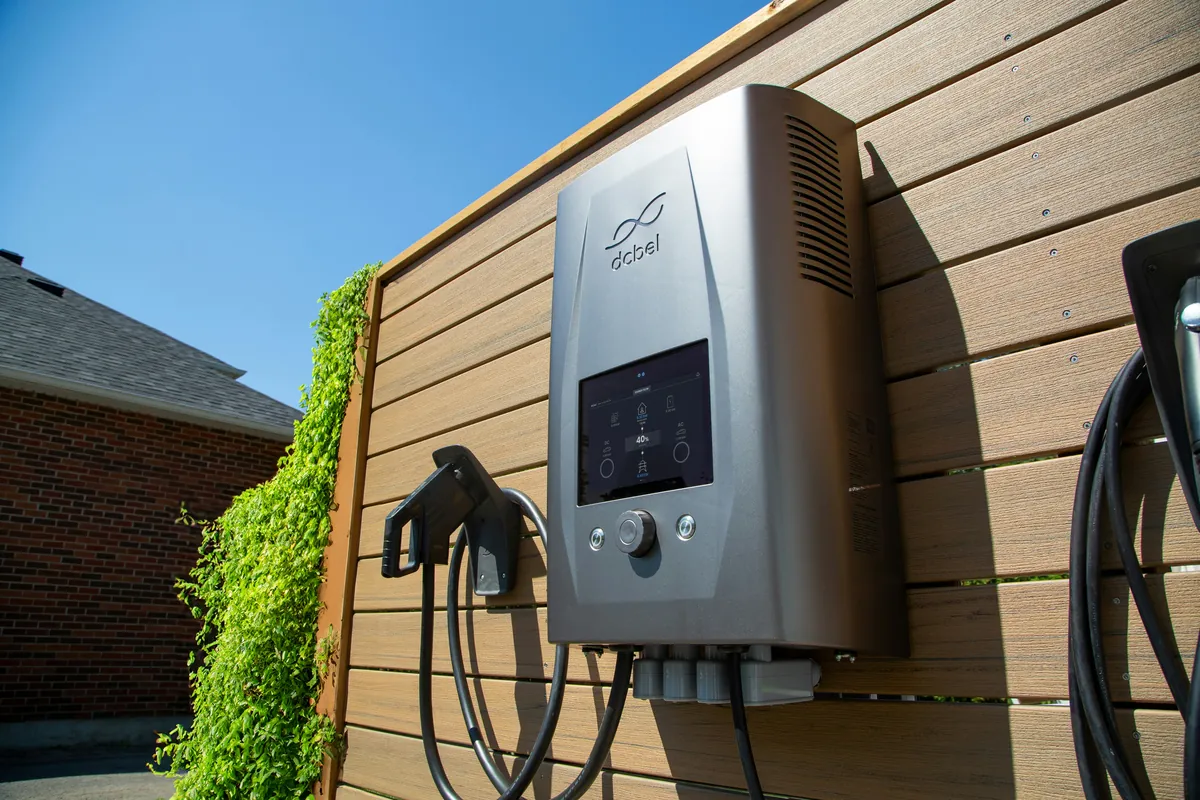
- A Level 2 EV charger. Continuous by definition — the code counts a continuous load at 125% of its rating, so a 48-amp charger lands on the calculation as 60 amps.
Any one of these usually fits. Two of them, on a 100-amp service, in a house that also heats its water electrically, is where the arithmetic stops working. Three of them is a 200-amp conversation before anyone has drawn anything.
Before you accept the upgrade
A service upgrade is sometimes the first answer rather than the cheapest one. Four things worth asking about first:
- Right-size the new load. A 32-amp charger adds about 25 miles of range an hour — more than 300 miles across a night parked. Very few drivers need the 48-amp version, and the difference is often exactly the difference between fitting and not.
- Load management. Energy management devices monitor the whole-house draw and throttle or pause the charger when the rest of the house gets busy. The code explicitly allows the load to be counted at the managed maximum, which is what lets a house that fails on paper pass in practice.
- A meter collar adapter. A device between the meter and its base that taps power ahead of the main breaker, so the new load never touches the panel at all. Availability depends on the utility and the meter — a check rather than a plan, but a cheap one.
- Heat pump water heaters in hybrid mode, and gas appliances you were not planning to change. Every load you do not add is a load that does not need carrying.
None of these are exotic. All of them get skipped when a quote is written off a photograph of the panel.
The signs that have nothing to do with capacity
Plenty of houses that fail a load calculation have never tripped a main. And plenty of panels that need replacing have nothing to do with the service size at all:
- Federal Pacific Stab-Lok or Zinsco panels. A replacement conversation regardless of capacity — the breakers have a documented history of not tripping when they should.
- Rust, or any sign of water at the meter base. Water and a service entrance is a combination worth an immediate call.
- A panel with no space, full of tandems, or with double-tapped breakers where two conductors share a lug listed for one.
- Anything that smells hot, or a breaker that is warm to the touch. That one is a diagnostic call today, not a project for the spring.
The first and the last of those are safety, not capacity. They do not wait for a remodel.
What the work actually involves
A 100-to-200-amp upgrade in an occupied house is generally a one-day job with a power outage in the middle of it:
- A permit, and the load calculation behind it.
- A utility disconnect, scheduled in advance.
- The new meter base, panel and service entrance conductors. On an overhead service the mast and weatherhead usually go with them; on an underground one, the trench and conduit are the utility’s side above the meter and yours below it — worth confirming before anyone quotes.
- A grounding electrode system brought to current code. Usually two rods and a bond to the water and gas piping, and on older houses this is often the part that was never done properly.
- Circuits landed and labelled, with AFCI and GFCI protection added where it is now required. On a panel that has been added to for forty years, the labelling is what homeowners tend to notice most.
- Inspection, then the utility reconnect.
Expect the power to be off for most of the working day, and expect to be home for it.
Is 200 amps the right target?
Almost always, yes. 200 amps is the standard residential service, the equipment is commodity-priced, and the difference in cost between replacing 100 with 100 and replacing 100 with 200 is small enough that nobody sensible does the former.
Above that it changes character. A 320-amp meter with two 200-amp panels, or a 400-amp service, is real equipment with real cost, and it is the right answer for a genuinely large house, an accessory dwelling unit on the same meter, a shop with welding equipment, or a property planning two EVs plus full electrification. For a typical 1,500–2,800 sq ft house in this metro, it is money spent on headroom nobody reaches.
The more useful question is what goes in the 200-amp panel. A panel with 40 spaces rather than 30, a couple of spare double-pole slots deliberately left empty, and a sub-panel stubbed into the garage while the wall is open — those cost very little on the day and save a great deal the next time something needs a circuit.
Permits, inspection and the utility
Every jurisdiction here requires a permit for a service change, and every one requires an inspection before the utility will reconnect. The sequence is the part that decides your calendar: the permit is pulled first, the utility disconnect is scheduled against it, the work and the inspection happen on the same day where the inspector’s schedule allows, and the reconnect follows the inspection.
Two practical notes. Lead time on the utility disconnect is the long pole — usually one to three weeks, sometimes longer in storm season. And the meter base itself belongs to the utility while the panel belongs to you, which is why a service change has two authorities to satisfy rather than one. Whoever quotes the work should be handling both, and the quote should say so.
What it changes downstream
The upgrade is worth pricing against what it unlocks rather than on its own. With 200 amps and a panel with real space in it, the next four projects stop starting with a panel:
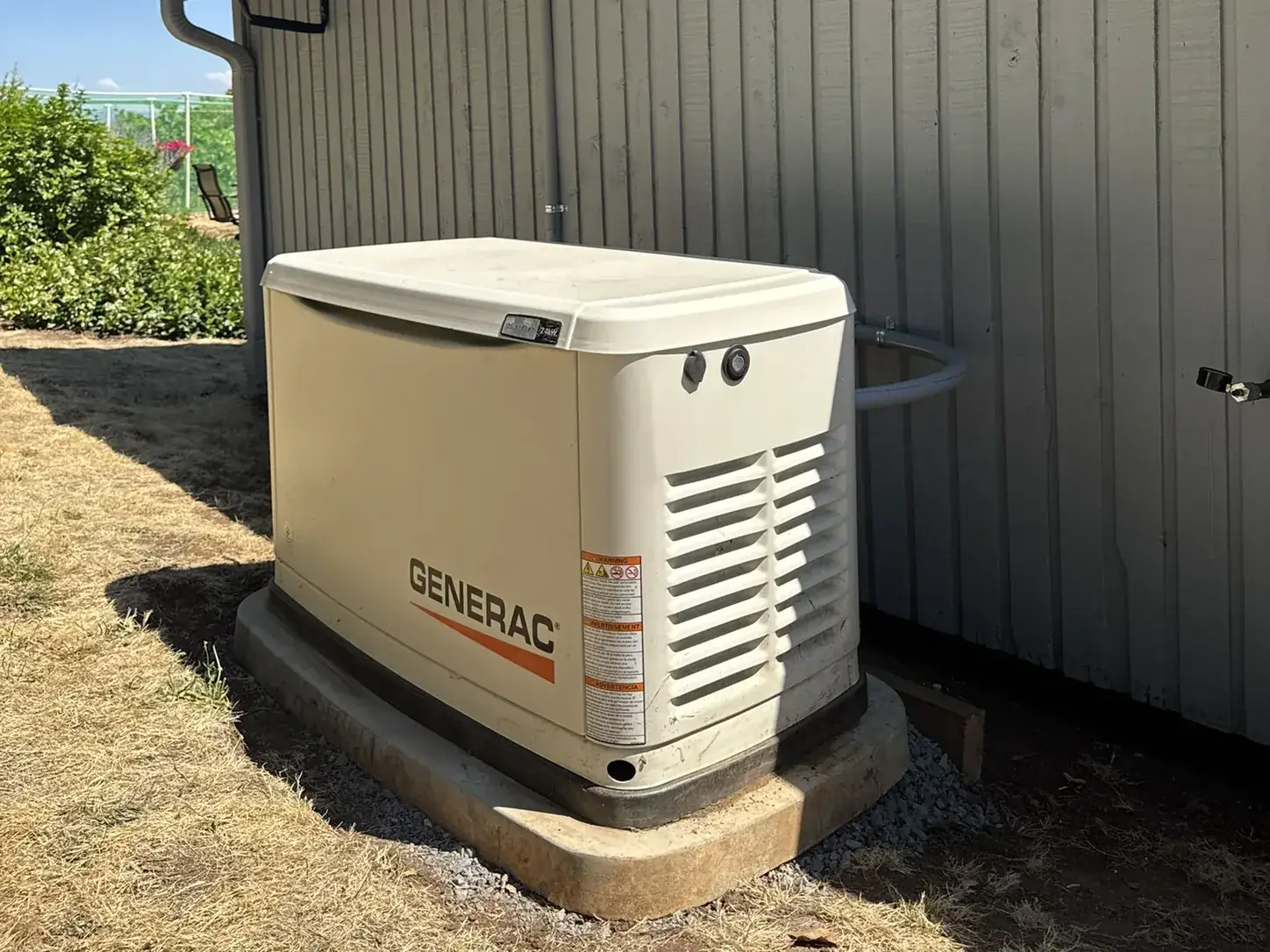
- Backup power, which needs a transfer switch and a place to put it.
- Whole-house lighting and controls on a remodel, where dimming and scene control want circuits of their own.
- A shop, a heat pump, a hot tub, a second EV.
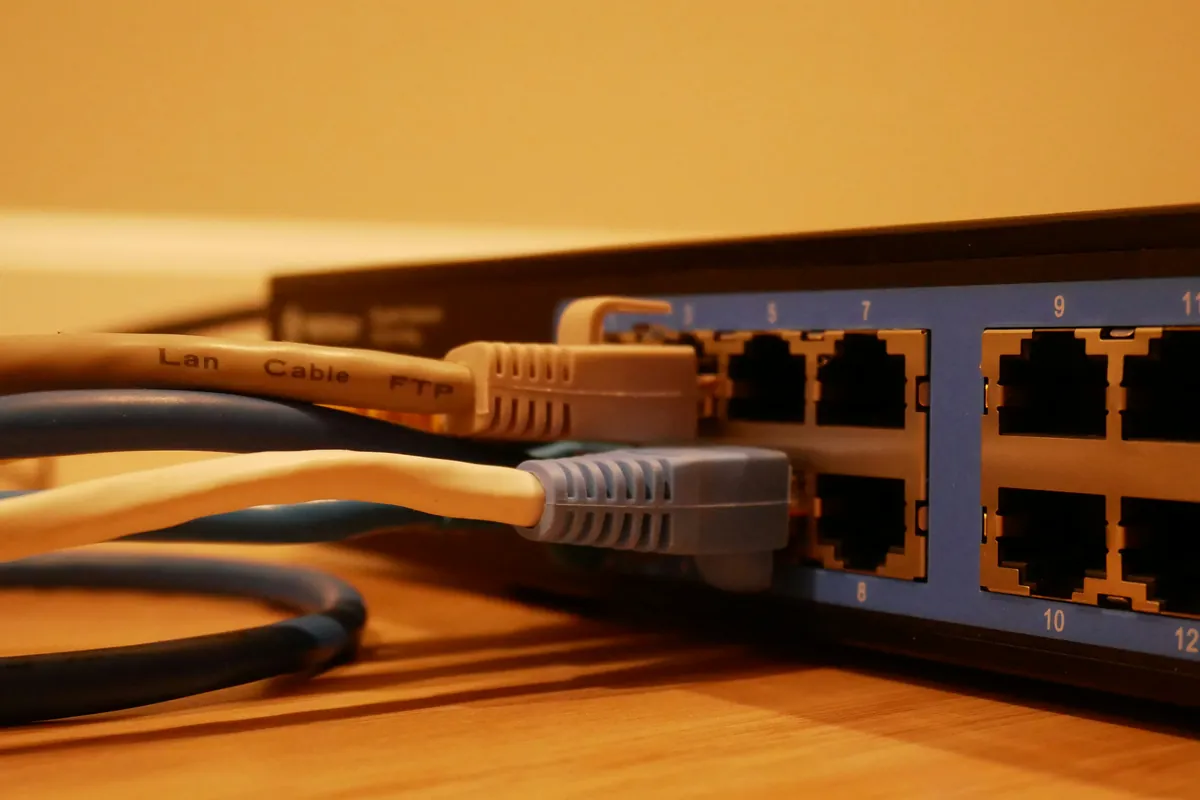
- Structured cabling, which is not a load worth mentioning but does want somewhere sensible to terminate.
Where to start
Start with the load calculation and the panel’s brand. Between them they answer both halves of the question — whether the service can carry what you are planning, and whether the equipment is something you would want to keep even if it could.
If the answer is that you need more service, we quote that work fixed after looking at the real panel, not a photo of it. If the answer is that you do not, that is worth knowing before you spend a day of your life without power.