



 4.9
 40+
Data & Low Voltage Systems
Structured cabling, fiber, and cameras, run by the electricians.
- 20+
- Years in Business
- 100%
- Licensed & Insured
- 2000+
- Projects Completed


Cable with the power
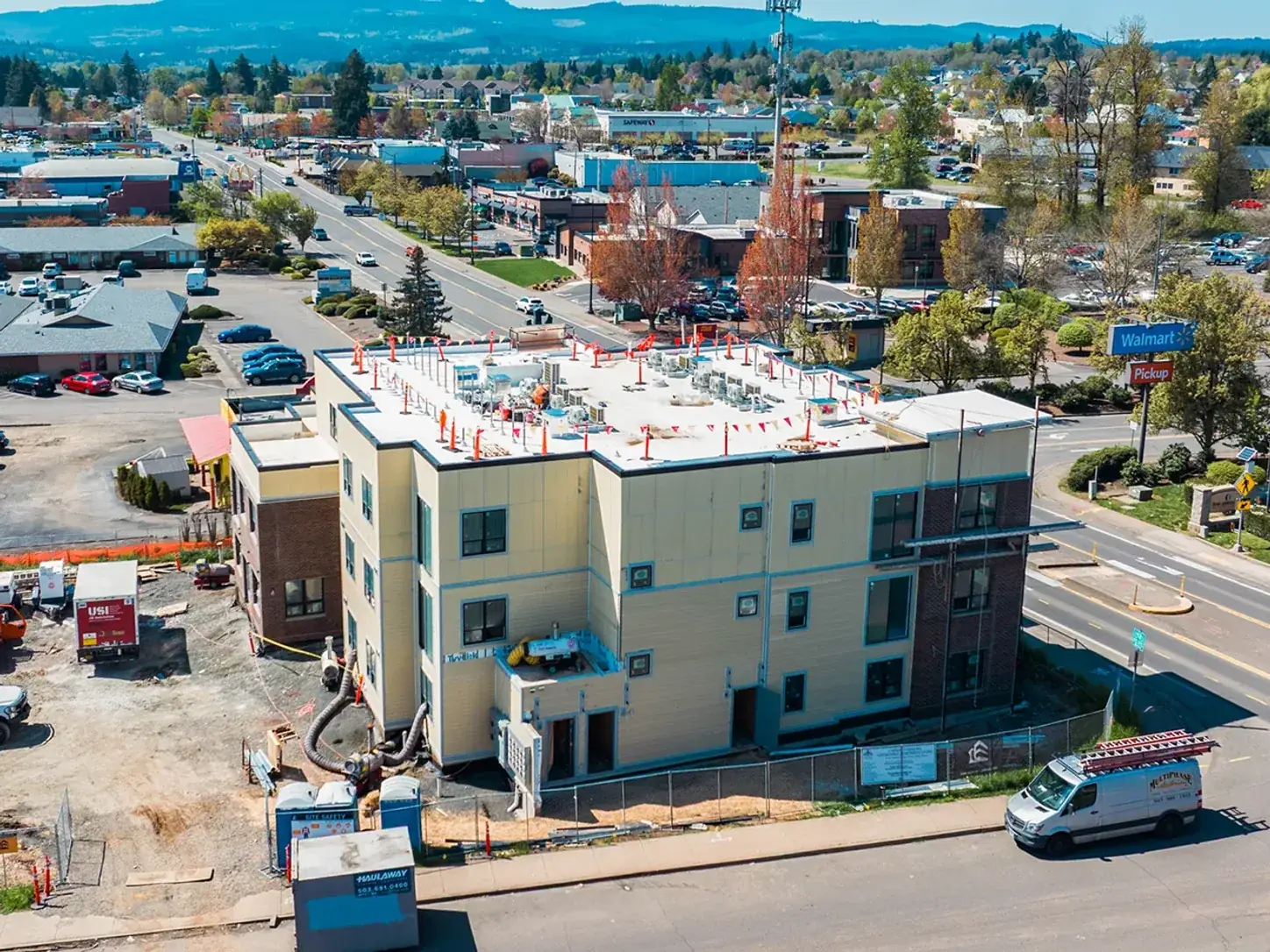
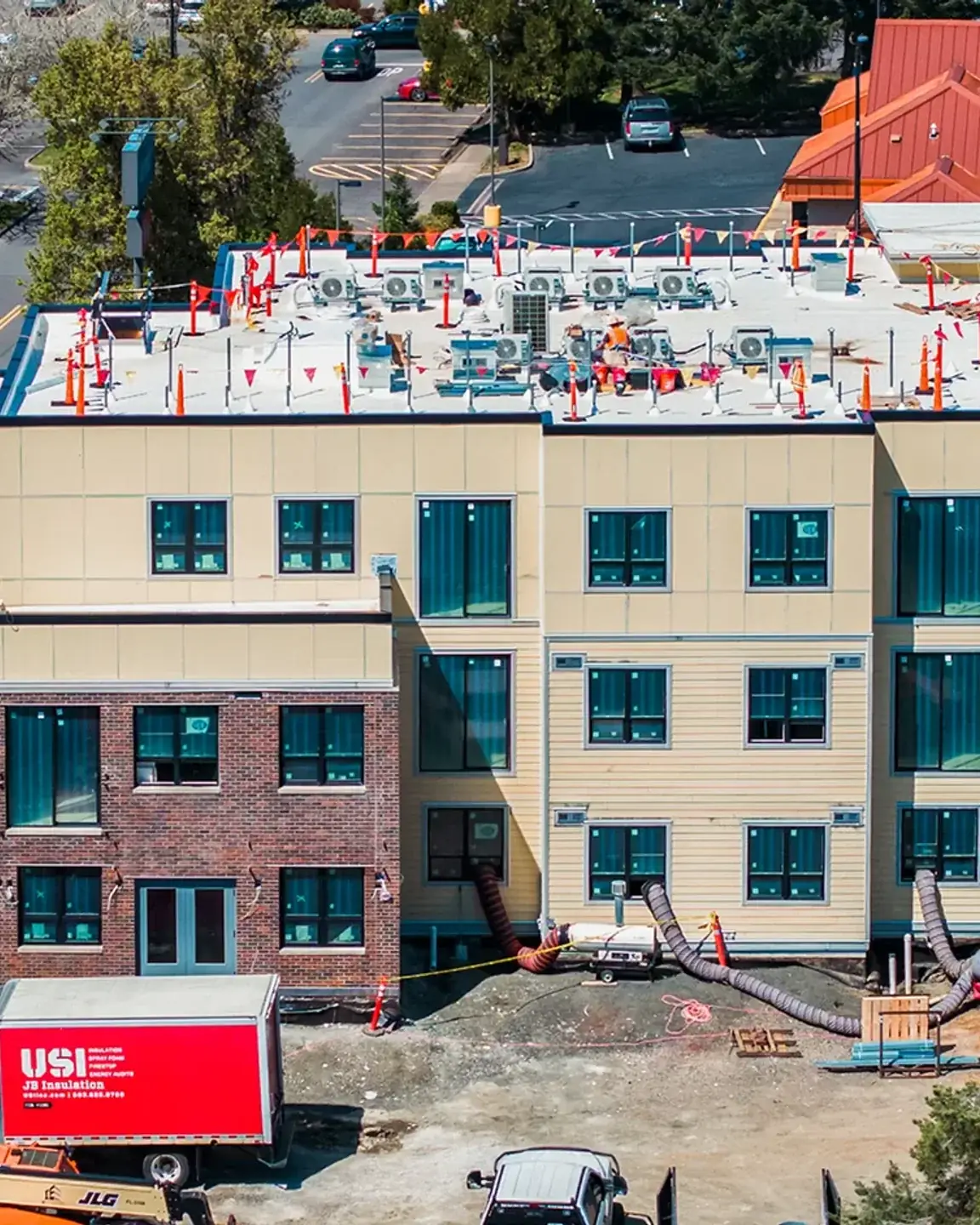
Multiphase Electric provides complete data and low-voltage solutions for new construction, remodels, commercial facilities, and existing buildings.
Our services include structured data cabling, fiber optic installation and termination, network infrastructure, IP security camera cabling and camera installation, equipment racks, and building-to-building connections. We install, terminate, test, label, and organize cabling to provide a clean and reliable finished system.
For security camera systems, we provide the cabling, network infrastructure, camera installation, equipment mounting, and system setup required for a complete IP camera installation.
By providing electrical and low-voltage services under one contractor, we can coordinate power, data, and equipment requirements from initial planning through installation and project completion.
What we offer:
- Complete data and low-voltage solutions from planning to installation
- Structured cabling, fiber, network infrastructure, and equipment racks
- Complete IP camera cabling, installation, and system setup
- Power, data, and equipment coordinated under one contractor
Certifications & Licenses:

Electrical contractor
Low voltage work
Every run is tested, labeled, permitted, and inspected alongside the electrical.
Structured Cabling
Fiber Optic Installation & Terminations
Security Camera Installation
Network Infrastructure
Data Drops & Cat6 Cabling
Building-to-Building Fiber
Network Rack Installation
Cable Termination & Testing
New Construction Low Voltage
Existing Building Retrofits
Access Control Wiring
Commercial Low Voltage Systems
Why it's traceable
-
One contractor, power and data
The crew pulling your feeders is the crew pulling your Cat6. No coordinating two trades, no arguments about whose conduit that is, and one permit schedule instead of two.
-
Labeled at both ends
Every drop is tested and labeled, and the rack is dressed rather than bundled. It is the difference between an hour and a morning the next time something goes down.
-
Built for the next device, too
We size pathways and leave the capacity for the cameras, access points, and drops that come after this phase, so the next addition is a pull rather than a new pathway.
Counted off the plans, tested at both ends.
-
Walk-through & count
We walk the plans or the building and count the drops, the camera positions, and the pathway the cable actually has to take. That count, not a per-square-foot guess, is what the fixed quote is built on.

-
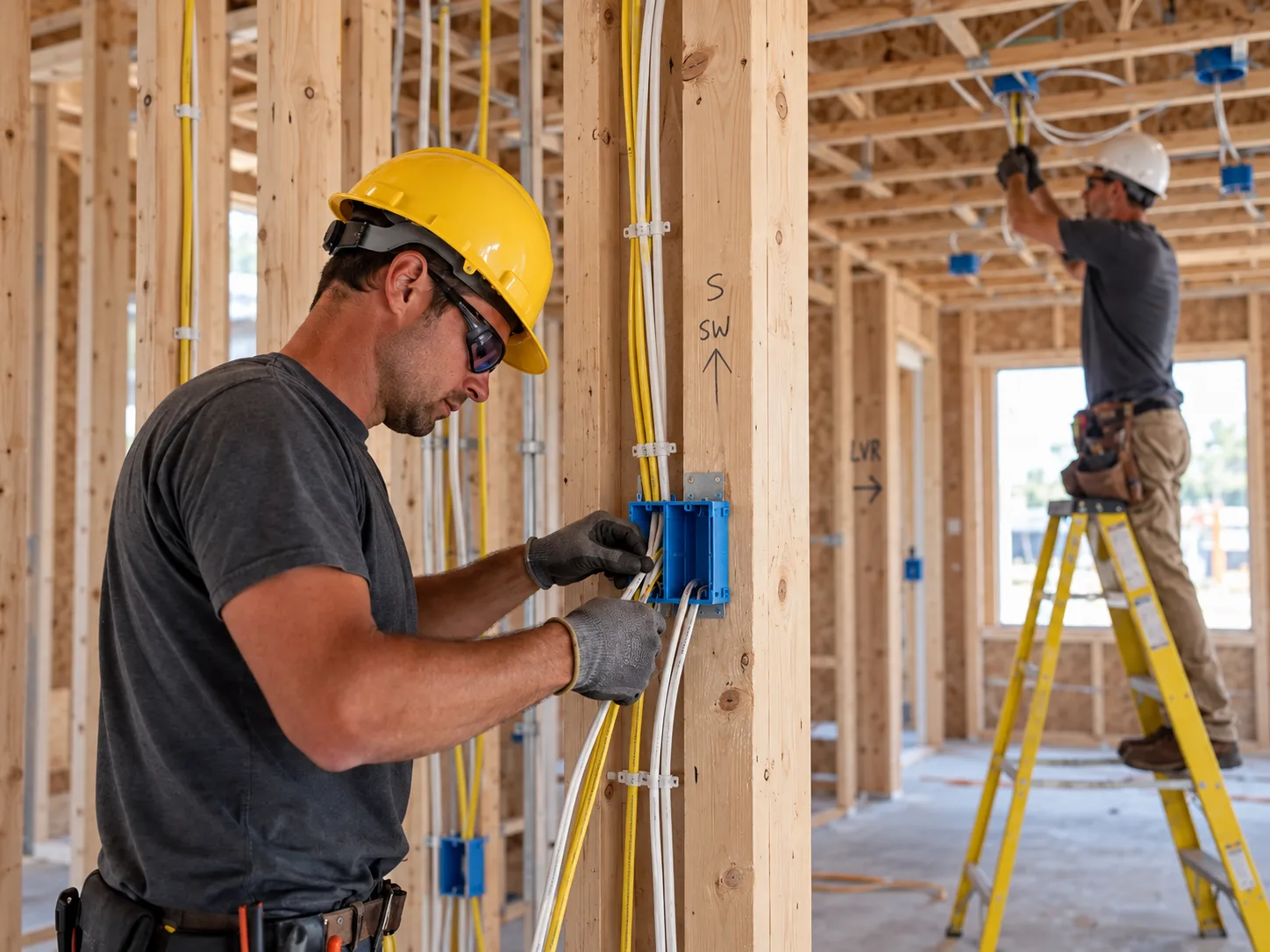
Rough-in with the power
Low voltage goes in on the same schedule as the electrical, so the pathways, separation, and firestopping are right the first time and nobody is opening a finished wall later.
-
Terminate, test, document
Every run is terminated, tested, and labeled at both ends, the rack is dressed, and you get the documentation — so the next person to touch it knows what each port does.
Trusted by Homeowners & Businesses
-
I was referred to Multiphase Electric. We now use them from small changes, to our biggest projects. Clear communication, punctual, and guaranteed results. Highly recommend.
-
Really happy with these guys. We did a complete rewiring of the whole house and New panel. Leti is awesome running the office. Very responsive. Vitaliy, John and all the other Electricians were fantastic. They are pros! Highly recommend this company.
-
I have been a customer of Multiphase since 2007, I wouldn't think to go anywhere else they go above and beyond and nothing but Quality work, you definitely can go to bed knowing you were in safe hands, Dave and the whole team has been better than Good to me
proudly serving the Portland metro
Multiphase Electric covers the whole metro — from Hillsboro and Newberg out to Corbett, and south through Oregon City to Molalla. Licensed in Oregon, with emergency service anywhere on this map.
- Portland
- Tigard
- Gresham
- Beaverton
- Clackamas
- Hillsboro
- Milwaukie
- West Linn
- Canby
- Lake Oswego
- Wilsonville
- Dundee
- Corbett
- Molalla
- Newberg
- Fairview
- Troutdale
- Oregon City
- Sellwood-Moreland
- Tualatin
- Bethany
- Beavercreek
- Damascus
- Estacada
- Sandy
- Portland, Multnomah County
- Tigard, Washington County
- Gresham, Multnomah County
- Beaverton, Washington County
- Clackamas, Clackamas County
- Hillsboro, Washington County
- Milwaukie, Clackamas County
- West Linn, Clackamas County
- Canby, Clackamas County
- Lake Oswego, Clackamas County
- Wilsonville, Clackamas County
- Dundee, Yamhill County
- Corbett, Multnomah County
- Molalla, Clackamas County
- Newberg, Yamhill County
- Fairview, Multnomah County
- Troutdale, Multnomah County
- Oregon City, Clackamas County
- Sellwood-Moreland, Portland, Multnomah County
- Tualatin, Washington County
- Bethany, Washington County
- Beavercreek, Clackamas County
- Damascus, Clackamas County
- Estacada, Clackamas County
- Sandy, Clackamas County
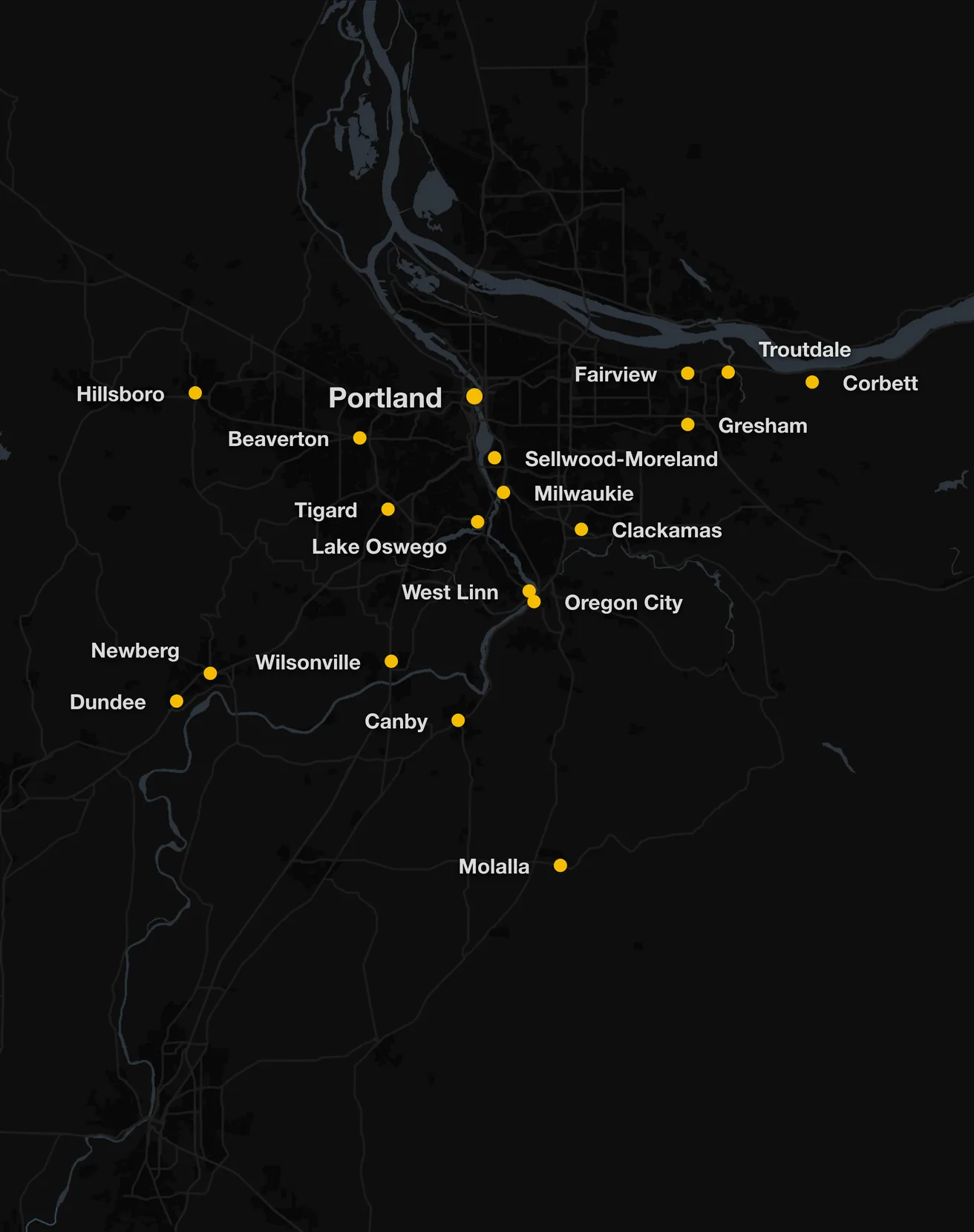
© CARTO, © OpenStreetMap contributors
cabling, asked
What owners, GCs, and IT people raise on the walk-through. If yours isn't here, ask and we'll answer it straight.
Do you do low voltage in existing buildings, or only new construction?
Both. New construction is easier — we rough in with the power, before anything is closed up. In an occupied building we fish the walls and use the existing pathways where we can, keep the access holes small, and patch what we open.
Do you install the cameras and the network gear, or just the cable?
Either. Plenty of clients want us to pull and terminate the cable and leave the equipment to their IT provider, and that is fine. We can also install and mount the cameras, the rack, and the switches and hand it over working — tell us which on the walk-through.
How many data drops do I need?
More than you think, because the cheapest drop is the one pulled while the walls are open. We count from the plans or the walk-through — desks, access points, cameras, printers, TVs, door hardware — and we usually recommend leaving spare capacity in the pathway rather than spare cable in the wall.
Can you run fiber between two buildings on my property?
Yes. Building-to-building fiber is normal work for us — the trench or aerial run, the conduit, the terminations at both ends, and the testing. It is also where doing it with the electrical contractor pays off, since the pathway is usually shared with power.
Is low voltage work permitted and inspected?
Yes. Oregon permits limited energy work, and we pull it and schedule the inspection the same way we do on the power side. It is one permit schedule rather than two contractors each holding their own.
Do you certify and document the cabling?
Every run is tested and labeled at both ends, and you get the results along with a rack that is dressed and documented. That paperwork is what makes the next troubleshooting call short.
On the same contract
All services
Commercial Electrical Services
Ground-up builds, tenant improvements, and service upgrades — on the schedule you were given.

Residential Electrical Services
New builds, remodels, and additions — temp power through final inspection.

EV Charger Installation
Home and commercial charging, designed around your electrical service.
request your free estimate
Questions? Call (503) 908-1593